Woke rating
The Old Guard
Mild
An action film about immortal mercenaries whose centuries-old gay couple gets one impassioned speech and whose villain is a sneering young pharma boss; its varied cast is largely what its premise calls for and is never commented on.
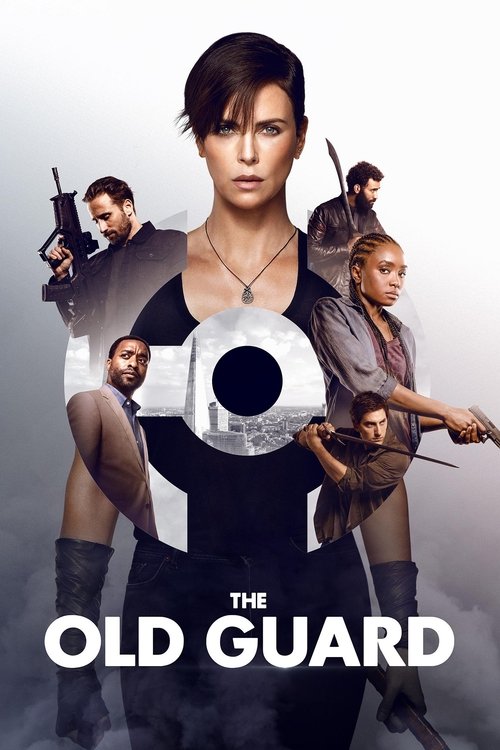
Gina Prince-Bythewood's adaptation of Greg Rucka's comic follows Andy (Charlize Theron), a warrior thousands of years old who leads a small team of immortal mercenaries: Booker (Matthias Schoenaerts), and Joe (Marwan Kenzari) and Nicky (Luca Marinelli), who have been together since the Crusades. A rescue job brought to them by an ex-CIA man, Copley (Chiwetel Ejiofor), turns out to be a trap, just as a young Marine, Nile (KiKi Layne), has her throat cut in Afghanistan and wakes up healed. Most of the film is gunfights, a chase across Europe and the team's weariness with living forever.
The clearest message is Joe and Nicky. They explain that they met as enemies in the Crusades, and when a guard in an armoured van sneers that Nicky must be Joe's boyfriend, Joe answers with a speech about a love beyond measure, and the two kiss. Elsewhere the couple's affection is shown as plainly as any other bond on the team. The villain is Merrick (Harry Melling), a young pharma CEO who wants the immortals' genes for profit and a Nobel Prize, and a few lines widen him into digs at Big Pharma, CEOs with private armies and the CIA.
Beyond the couple, little scores. The team's mixed origins come with the premise of people who stop dying in every age, and none of it is commented on. Nile, a Black woman Marine, is a sympathetic but rounded heroine who fights the team before she joins it, Copley, who is Black, is the man who sets the trap, Andy commands three men without remark, and there are no speeches about ethnicity or gender. The plainest villains, the CEO and a guard who sneers at Joe and Nicky, are white men set against a team led by Andy, with Nile at her side, which adds a point. The pharma theme is complicated: Merrick can point to a cancer drug that saved lives, his own scientist insists the work should be about science, and Copley acts out of grief for his wife, then turns against Merrick. The film also treats Nile's Christian faith and her Marine service with respect.
Score breakdown
Each category is scored 0 to 3: 0 absent or presence only, 1 brief, 2 recurring or plot-relevant, 3 central or dominant. Timestamps refer to the film's running time.
| Category | Score | What we saw |
|---|---|---|
| Content | ||
| A Ethnicity | 1 | Ethnicity is never discussed. The one point is Joe and Nicky as a couple across a gap of faith and origin: they met on opposite sides of the Crusades, and Joe says he loved one of the people he had been taught to hate. A recurring supporting couple (2), with no step up because the film raises the gap rather than passing over it, and less 1 because their story is how they overcame it, killing each other many times before nine centuries together, so 1. Their sexuality is scored under C. Nile, a Black woman Marine, is a sympathetic heroine but not a flawless one: she stabs Andy and holds a pilot at gunpoint before she accepts what she is. Copley, who is Black, sets the team up.
|
| B Gender and feminism | 0 | No gender message. Andy leads the team and Nile is a Marine, but the film never comments on their sex, and the witch-trial flashback condemns Andy and Quynh for not dying, not for being women. |
| C Sexuality and gender identity | 2 | Joe and Nicky are a supporting gay couple, together for nearly a thousand years; theirs is the film's one romance, and neither is given a fault, Joe's speech describing Nicky's heart as too kind for this world. Most of the time the love is shown rather than argued, but one scene turns it into a statement: a guard's sneer is answered with a declaration of love and a kiss. Scored 2, not 3: the couple are secondary to Andy and Nile's story and the film does not argue the point again.
|
| D Power and systems | 0 | The villain is a pharma company that wants the immortals as its proprietary product, and a few lines widen this into digs at Big Pharma, CEOs and the CIA. It drives the plot, but as genre villainy with no identity angle: nothing is framed as an institution oppressing a group, so it is counted under J. |
| E Cultural and historical revision | 0 | An adaptation of Greg Rucka's comic. The history in the flashbacks and photographs (the Crusades, the witch trials, Napoleon's wars, Gallipoli) is backdrop for the immortals' past, not revised to make a point. |
| F Religion portrayal | 0 | Islam is not portrayed. The Marines treat the Afghan women in a house search with courtesy, and Joe and Nicky's Crusades past implies they fought on opposite sides, but no faith is named or argued for. |
| K Diverse cast | 1 | The team is mixed by ethnicity: Andy, Booker and Nicky are white, Joe fought on the other side of the Crusades, Nile is a Black American Marine and Quynh, in the flashbacks, is Vietnamese, with Copley, who is Black, in support. A band of immortals gathered from every age and continent would be mixed, so most of that is what the premise needs. What goes beyond it is a sexuality mix in the main cast, as two of the team's four men are a couple. Scored 1.
|
| Treatment | ||
| G Antagonist coding | 1 | The plainest villains are white men: Merrick, a young, rich, sneering CEO whose motives are money, prizes and beating competitors, and the guard who mocks Joe and Nicky in the van, against a team led by Andy and the Black recruit Nile. Scored 1, not more: the other antagonists cross those lines, as Copley, who is Black, sets the team up out of grief for his wife and Booker, a white man, betrays them out of despair, Merrick's own scientist is a woman who objects to his aims, and his greed itself is counted under J.
|
| H Didacticism | 1 | One speech states a message directly, and it comes in character, as a lover's answer to an insult.
|
| I Message over story | 0 | The plot is a chase-and-rescue thriller, and none of its turns bends toward a message. The van speech pauses the action but grows out of the scene. |
| J Left-leaning politics framed as good | 1 | The anti-corporate digs around the villain are the film's only politics: Merrick's company wants the immortals as its proprietary product, and a few lines widen this into jabs at Big Pharma, CEOs with private armies and the CIA. Scored 1: it is genre villainy rather than an argument, the film lets Merrick claim a life-saving cancer drug, and no party is named; one line in Copley's job offer faults an unnamed US administration for refusing aid (0:07:20), but the job is bait.
|
How the number is reached
- Categories A to K add up to 7 of 33, which gives 2.0 (7 ÷ 33 × 10, rounded to the nearest 0.5).
- Counterweight −0.5: the antagonists have real individual motives and the anti-pharma framing gets a reply: Copley lost his wife to ALS (0:06:47), Booker carries the grief of outliving his sons (1:08:24), Merrick can claim a cancer drug that saved hundreds of thousands of lives (1:04:54), and his own scientist insists the work is about science, not profit (1:05:48).Copley acts out of grief for his wife, who died of ALS (0:06:47, 1:30:00), and helps Nile reach the lab once he sees the good Andy has done (1:31:59); Booker betrays the team out of despair, hoping Merrick can find a way to let them die (1:24:08, also 1:08:24); Merrick can claim a cancer drug that saved hundreds of thousands of lives (1:04:54); and his own scientist objects that the work should be about science, not profits (1:05:48).
- Final rating 1.5, mild.
Considered, scored 0
- Nile, a Black woman Marine from Chicago's South Side (1:16:43), a sympathetic heroine who stabs Andy (0:35:43) and holds a pilot at gunpoint (0:39:25) before she joins the team, and Copley, a Black ex-CIA man who supplies Merrick with footage of the team (1:04:24): neither portrayed as flawless (A).
- The immortals' origins across history, from Andy, once worshipped as a god (0:37:36), to Joe and Nicky from the Crusades (0:45:10), Booker from Napoleon's wars (0:45:03) and Quynh in the witch-trial flashback (0:49:33): the mix that a premise of people who stop dying in every age accounts for (K).
- A woman leads the team and outfights everyone (0:58:13), and Nile becomes a fighter, the premise of the genre, shown rather than argued.
- The witch-trial flashback (0:49:33), in which Andy and Quynh are condemned again and again because they do not die (0:49:51).
- Andy and Quynh's closeness ('just you and me', 0:50:16), presented as comradeship, not as a romance.
- The Afghan house search, where Nile thanks the women for letting the Marines in (0:19:52); courtesy, with no comment on Islam.
- Copley's remark that the current US administration denies aid to nonstrategic allies (0:07:20), part of the job offer that lures the team; no party or policy is named.
Evidence and confidence
Confidence: Medium. Full English subtitles from the embedded text track, plus the forced track for the short lines in other languages (in Marrakesh, in the Afghan village and between Joe and Nicky). Andy's brief Russian exchange with the pilot is not subtitled, but she explains it straight after (0:40:14).
Category F definition: As in the rubric: Islam shown as a peaceful and tolerant religion, aligned with human rights, in a way that works as a corrective message.
Noted, not scored: The film is warm toward soldiers, family and faith: the Marines are told to keep the house search respectful (0:18:28), Nile tells the Afghan women that using women as shields is to be no man at all (0:19:39), her father died in action and her mother fought for the family (1:16:26, 1:16:49), and her belief in God stands even though Andy dismisses it as illogic (0:37:32, 0:38:42); Andy ends by telling Booker to have a little faith (1:51:28).
Rubric version 3. Reviewed 17 November 2026.